
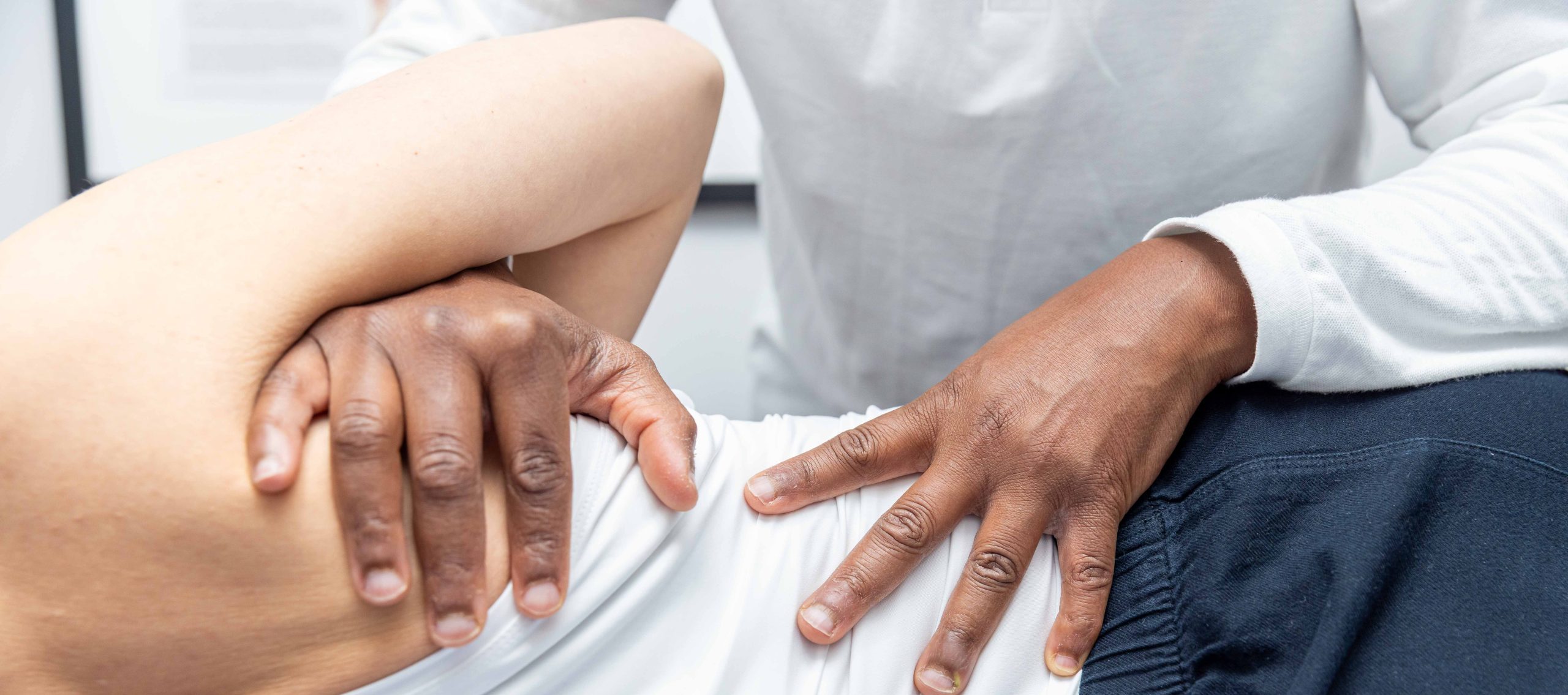
Osteopathy in Putney, SW15
Our registered osteopaths combine structural diagnosis with hands-on manual therapy to relieve pain, improve mobility and support your body's natural ability to heal. Osteopaths focus on the body’s skeleton and joint function along with the underlying muscles, soft tissue and internal organs. Osteopathy is often suitable for patients of all ages, from babies to older adults.
What is Osteopathy?
Osteopathy is a form of manual medicine that focuses on the relationship between the body's structure and its function. Osteopaths are trained to assess and treat conditions affecting the muscles, joints, and connective tissues using a variety of hands-on techniques including soft tissue massage, joint mobilisation, and spinal manipulation.
All osteopaths at The Putney Clinic are registered with the General Osteopathic Council (GOsC), the statutory regulatory body for osteopathy in the UK. Founded in 2000, our clinic has been providing high-quality osteopathic care to the Putney and SW15 community for over two decades.
Our Approach to Osteopathy in Putney
Our osteopaths in Putney take a whole-body approach to diagnosis and treatment. Rather than focusing solely on the area of pain, we assess how different parts of the body interact and compensate for one another. This allows us to identify and treat the true source of your problem, rather than simply managing symptoms.
Your first osteopathy appointment at our Putney SW15 clinic will begin with a detailed consultation covering your medical history, lifestyle, and the nature of your pain. This is followed by a physical examination and, where appropriate, hands-on treatment within the same session. We will always explain what we are doing and why, and give you an honest prognosis and treatment plan.
We treat patients of all ages — including babies, children, adults, and older people — and our osteopaths have particular expertise in sporting injuries, chronic pain, and maternal health.
Osteopathy can help with
Conditions treated with Osteopathy
- Neck and back pain
- Cervicogenic headache (headache arising from the neck)
- Migraine prevention
- Disc injuries including sciatica
- Arthritis
- Sports injuries
- Shoulder conditions (e.g. rotator cuff syndrome)
- Stress related disorders
- Muscle tension and tears
- Neuralgia
- Lumbago and sciatica
- Generalised aches and pains
Sports Osteopathy
Mobility of the body is of the utmost importance to the sportsperson. Poor flexibility in the joints and muscles will prevent the body from performing at its optimum and is often a contributory element to injury. By assessing the posture and condition of those structures which make the human body a dynamic machine (the bones, joints, muscles, ligaments and connective tissues), the Osteopath is able to promote a rapid recovery from injury. Osteopathy can help prevent as well as treat injuries. It is particularly effective for sports that require controlled body mechanics such as golf and tennis.
Some osteopathic terminology
- Mobilisation: a gentle technique to loosen stiff joints and ease painful joints
- Manipulation: a high velocity thrust technique with minimal range of motion, used to help loosen a stiff joint
- Traction: a gentle stretching technique than can be either manual or mechanical
- Soft-tissue techniques: these include massage, deep tissue, trigger point & muscle energy technique
Booking appointments
If you would like to make an appointment with any of our team of Physiotherapists in Putney, you can book online or by call our reception on 020 8789 3881.
Note: Booking for Senior Osteopath and Clinic Director Clive Lathey is unavailable online. To book an appointment with him, please call our reception.
266 Upper Richmond Road, Putney, London SW15 6TQ · Mon–Fri, Sat mornings
Osteopathy in Putney — Frequently Asked Questions
What is the difference between an osteopath and a physiotherapist?
Both osteopaths and physiotherapists treat musculoskeletal conditions using manual therapy and exercise, but there are key differences in philosophy and training. Osteopathy places greater emphasis on the structural relationship between the body’s systems and the idea that the body has self-healing capabilities. Physiotherapy often has a stronger focus on exercise-based rehabilitation and neurological conditions. At The Putney Clinic, we offer both disciplines and can help you decide which is most appropriate for your condition.
Is osteopathy safe for babies and children?
Yes. Osteopathic treatment for babies and young children uses extremely gentle techniques — quite different from the firmer methods used with adults. Our Putney osteopaths are experienced in treating infants for conditions such as colic, reflux, feeding difficulties, and unsettled sleep, and work in close conjunction with our dedicated Mums and Babies clinic. Treatment is always gentle, non-invasive, and tailored to the child’s age and size.
How is The Putney Clinic’s osteopathy regulated?
All osteopaths at The Putney Clinic are registered with the General Osteopathic Council (GOsC), the statutory regulatory body in the UK. It is a legal requirement to be registered with the GOsC to practise as an osteopath in the United Kingdom. The clinic adheres to the clinical guidelines for healthcare in England recommended by NICE.
Will osteopathy treatment in Putney be painful?
Most patients find osteopathy treatment comfortable, and many experience a sense of relief during the session itself. Some techniques — particularly joint mobilisation — may cause mild temporary discomfort, and it is not uncommon to feel a little sore for 24–48 hours after your first treatment, similar to the feeling after exercise. Your osteopath will always check in with you throughout the session and adapt their approach based on your feedback and comfort level.
Can I see an osteopath in Putney for chronic back pain?
Absolutely. Chronic back pain is one of the most common reasons patients visit our Putney osteopaths, and osteopathy has good clinical evidence for its effectiveness in this area. Our osteopaths will carry out a detailed assessment to understand the nature, history, and contributing factors of your back pain, and will create a personalised treatment plan combining hands-on therapy with advice on posture, movement, and self-management strategies.