
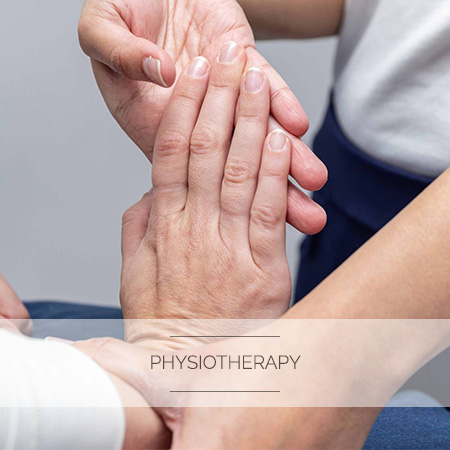
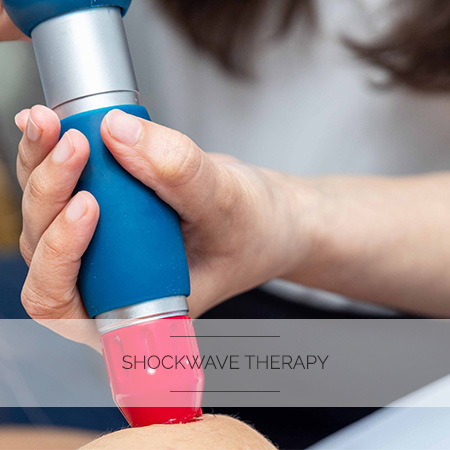
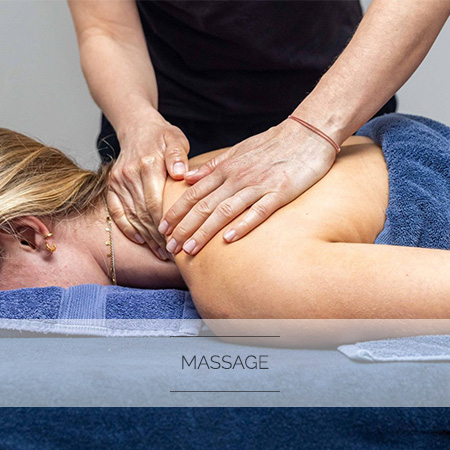
Our professional team provide fast, accurate diagnosis and treatment for sports injuries, from weekend five-a-side knocks to competitive overuse conditions. Our multidisciplinary team combines physiotherapy, osteopathy and ultrasound guided injection therapy to get you back to training and competing as quickly and safely as possible.
Booking appointments
If you would like to make an appointment with any of our team of sports injury specialists in Putney, you can book online or by call our reception on 020 8789 3881.
266 Upper Richmond Road, Putney, London SW15 6TQ · Mon–Fri, Sat mornings
Why Sports Injury Therapy Matters
An untreated or poorly rehabilitated sports injury rarely stays contained to the original site. Athletes naturally compensate for pain, altering technique and loading other joints and muscles to avoid discomfort. Over time, these compensation patterns can create secondary problems, extend recovery times and increase the risk of reinjury.
At The Putney Clinic, sports injury therapy is built around getting an accurate diagnosis early. Whether you are dealing with an acute injury that is providing specific pain or a persistent overuse problem that has been building up over time, our clinicians assess the injury, find the underlying cause and build a focused treatment plan around your goals.
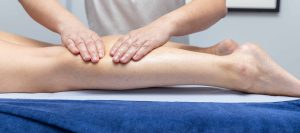
SPORTS INJURY TREATMENT OPTIONS

Ultrasound Guided Injections for Sports Injuries
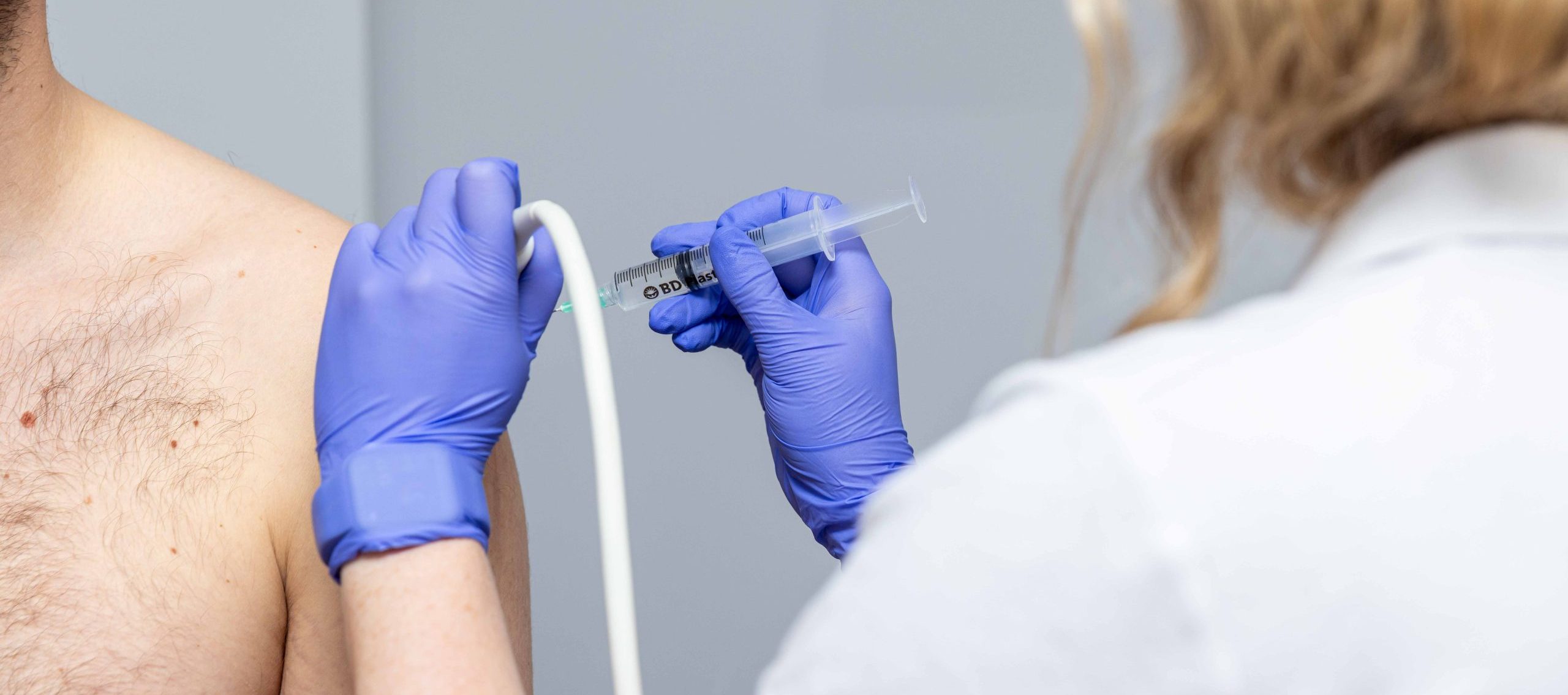
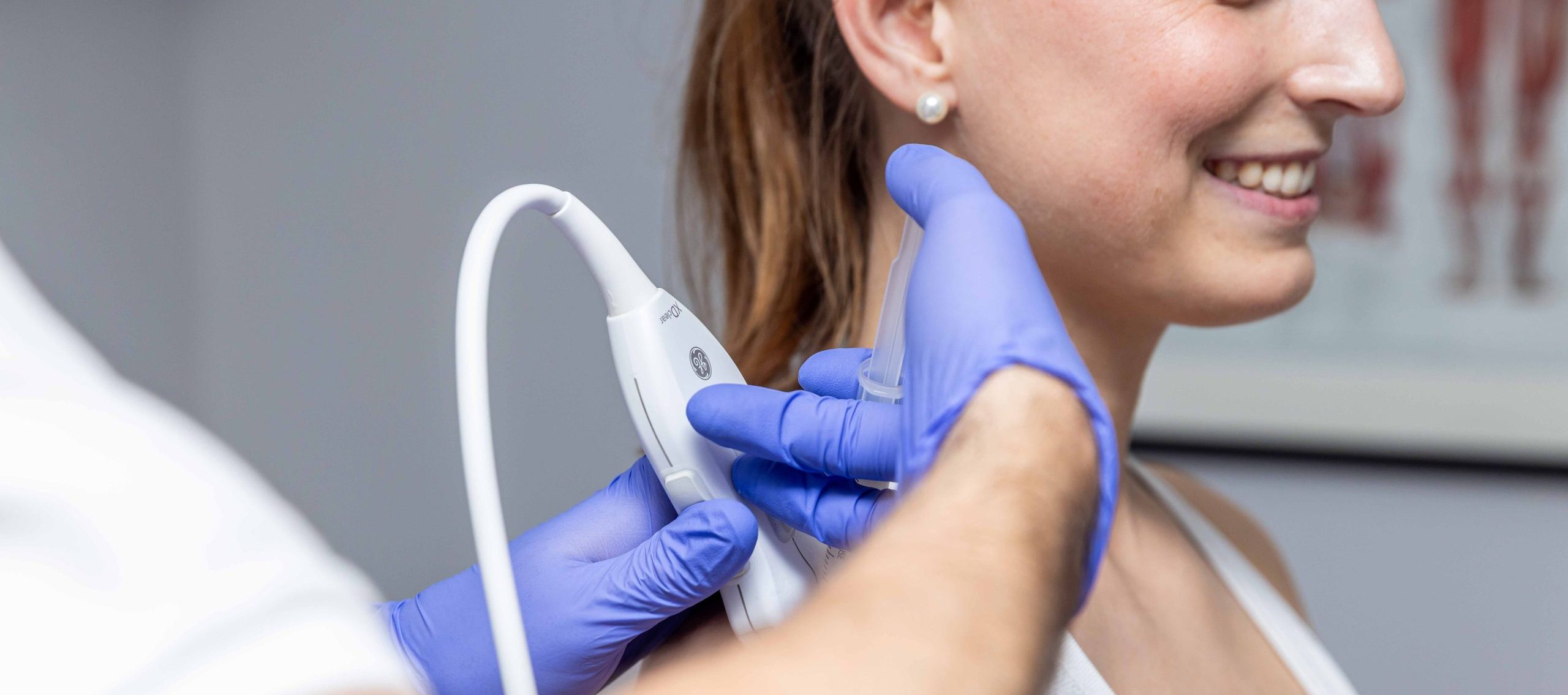
For sports injuries that are not responding to rehabilitation alone, ultrasound guided injections can provide a valuable pain-free window in which to progress your rehabilitation. Using real-time ultrasound imaging, our clinicians direct a needle precisely to the target structure, whether that is an inflamed bursa, a tendon sheath, or a joint, with far greater accuracy than a landmark-based injection.
We commonly use ultrasound guided injections to treat tennis and golfer's elbow, plantar fasciitis in runners, shoulder impingement in swimmers and throwing athletes and knee or hip conditions in field sport players. Injection therapy is always planned as part of a wider rehabilitation programme, never as a standalone fix, so you return to sport with the underlying issue addressed rather than masked. USGI's are carried out by Wandsworth Physiotherapy Director Steve Hines.
Useful resources
TRUSTED BY SPORTS PROFESSIONALS
Although retired from professional rugby, I dedicate a lot of time to keeping fit. Clive and his excellent team of health professionals keep me injury free.
A professional golfer needs to have a strong and mobile spine. When I had a problem with my back, Clive helped me to achieve this with treatment and exercises.
The physical demands of being an actor often require the services of a professional medical team. Clive and his team of experts help keep me fit and healthy.
Qualified and Certified Therapists
The Putney Clinic is fully qualified and registered with the appropriate professional bodies. Our physiotherapists are registered with the Health and Care Professions Council (HCPC) and are members of the Chartered Society of Physiotherapy (CSP). Our osteopaths are registered with the General Osteopathic Council (GOsC). Clinicians performing ultrasound guided injections hold specialist training in image-guided procedures and appropriate medical indemnity cover. Several of our team have additional experience working with amateur and semi-professional sports clubs, bringing a practical understanding of the demands specific sports place on the body.
Book your assessment today
If you would like to make an sports therapy appointment with our team, you can book online or by call our reception on 020 8789 3881.
266 Upper Richmond Road, Putney, London SW15 6TQ · Mon–Fri, Sat mornings
Guided Ultrasound Injection FAQ
How long does a steroid injection last?
The duration of pain relief from a corticosteroid injection varies considerably between individuals and conditions. For some patients, relief may last a few weeks; for others, several months or longer. The injection is not a cure — it reduces inflammation and provides a pain-free window during which rehabilitation can take place. Combining an injection with a structured physiotherapy programme consistently produces better long-term outcomes than an injection alone.
Why is ultrasound guidance important for injections?
Research consistently shows that ultrasound guided injections are significantly more accurate than landmark-based (blind) techniques, with studies demonstrating correct needle placement in over 95% of guided injections compared to substantially lower rates without guidance — particularly for complex joints such as the hip and small joints of the hand. Greater accuracy means the medication is delivered precisely where it is needed, improving the likelihood of a good clinical response and reducing the risk of inadvertent injection into tendons or other sensitive structures.
What is the difference between a steroid injection and PRP?
A corticosteroid injection delivers a powerful anti-inflammatory drug to the target area, providing fast relief for conditions driven by inflammation. PRP (platelet-rich plasma) therapy involves taking a small sample of your own blood, concentrating the platelets in a centrifuge, and injecting the platelet-rich concentrate into the target tissue to stimulate healing. PRP is more appropriate for degenerative tendon conditions (tendinopathy) where the aim is tissue repair rather than inflammation reduction. Your clinician will advise which approach is most likely to be effective for your specific condition.
How many guided ultrasound injections can I have?
For corticosteroid injections, current clinical guidelines recommend no more than three injections into any single site, with a minimum interval of three months between injections. This is because repeated high-dose steroid injections can weaken tendon and cartilage tissue over time. PRP injections do not carry the same restriction, as they use the body’s own healing factors rather than synthetic drugs. Your clinician will guide you on the most appropriate frequency and number of injections for your condition.
Is an ultrasound guided injection painful?
Most patients find the procedure well tolerated. A local anaesthetic is used before some injections to minimise discomfort during the procedure. You may feel a brief sharp sensation as the needle is inserted, and some pressure as the solution is delivered. It is common to experience increased soreness for 24–48 hours after an injection (known as a “post-injection flare”), particularly with steroid injections. This settles quickly and is not a cause for concern. Relief typically begins within three to five days.