
WOMEN'S HEALTH PHYSIOTHERAPY LONDON
Specialist physiotherapy for women at every stage of life — from pregnancy and postnatal recovery to pelvic floor rehabilitation, menopause-related musculoskeletal changes, and beyond. Delivered with clinical expertise and genuine care.
What is Women's Health Physiotherapy?
Women's health physiotherapy is a specialist area of physiotherapy that focuses on conditions specific to women's anatomy and life stages. This includes pregnancy-related musculoskeletal pain, postnatal recovery, pelvic floor dysfunction, pelvic organ prolapse, bladder and bowel issues, and the impact of hormonal changes across the lifespan.
Women's Health Conditions We Treat
- Pelvic floor dysfunction
- Stress and urge urinary incontinence
- Pelvic organ prolapse
- Antenatal (pregnancy) back and pelvic pain
- Pelvic girdle pain (PGP / SPD)
- Postnatal rehabilitation
- Diastasis recti (abdominal separation)
- Painful intercourse (dyspareunia)
- Vaginismus and vulvodynia
- Endometriosis-related pain
- Menopausal musculoskeletal symptoms
- Post-gynaecological surgery rehabilitation
A note on privacy
All women's health consultations are conducted in fully private treatment rooms at our Putney clinic. Your comfort and dignity are our absolute priority throughout every appointment.
Women's Health Physiotherapy for pregnant women
Women's Health Physiotherapy can help your body to adapt through the different stages of your pregnancy. The treatment is a gentle, safe and effective way of dealing with stresses and strains that have been placed on your body due to the growing foetus. Book in for your women’s health assessment with our women’s health physiotherapist. She addresses a range of issues, including:
- Pelvic floor dysfunction
- Urinary incontinence
- Pelvic girdle pain
- Women's Health Physiotherapy for postnatal women
Postnatal Mummy MOT
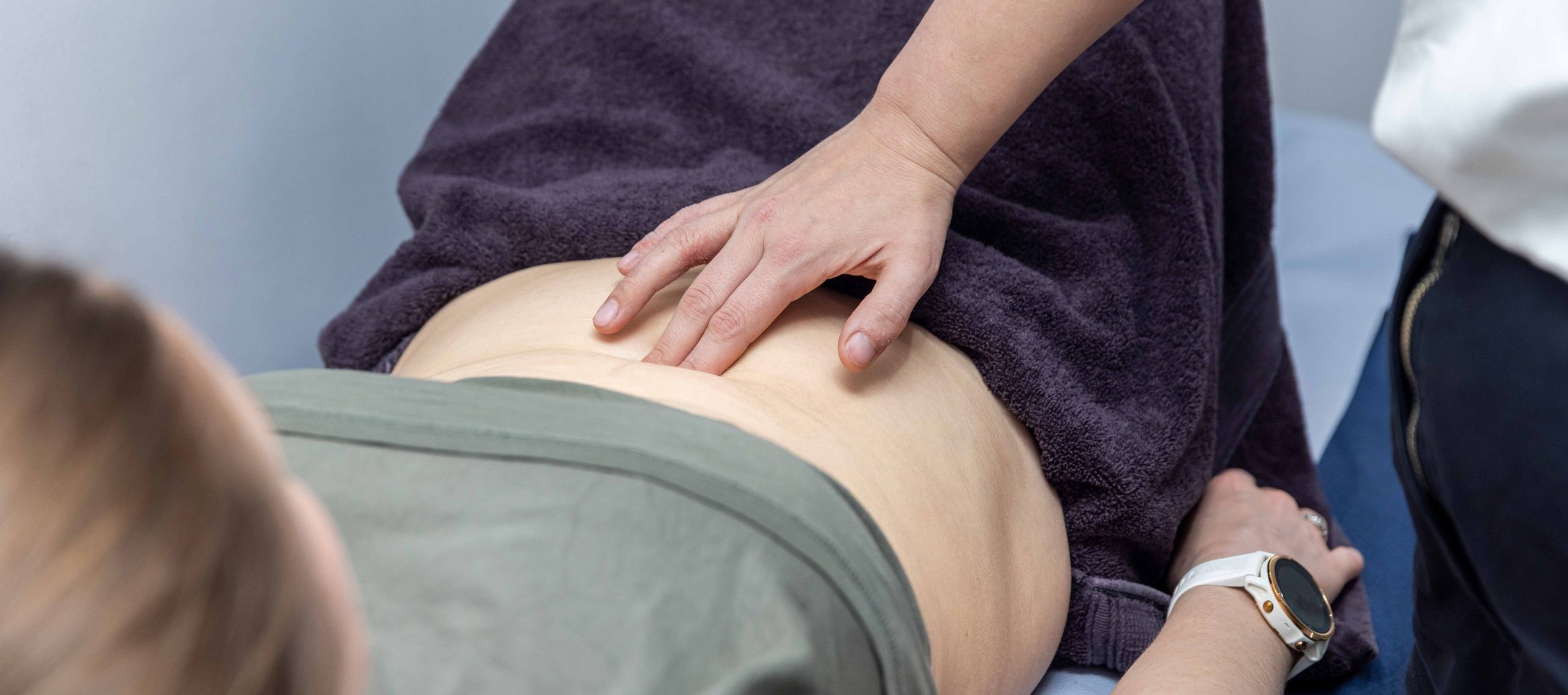
Our Postnatal Mummy MOT consists of a 1-hour session of thorough investigation with our specialist Women's Health Physiotherapist in London. This examination will include:
- Assessing the abdominal muscles for rectus diastasis (abdominal separation) and muscle weakness.
- Assessing the pelvic floor post childbirth/ rehabilitation exercise guidance.
- Checking for any postnatal-related pain, including back and pelvic girdle pain.
- Advice on returning to exercise safely and guidance on good posture.
The Women's Health MOT involves a pelvic floor examination and is therefore not suitable before 8 weeks for both natural delivery and C-Section.
Booking appointments
If you need to speak to someone before booking an appointment, please contact us to discuss your requirements. Our Women’s Health Physiotherapy London treatments are with Ellen Ernstzen at our clinic in Putney. For information about our treatment fees, click here. If you would like to book an appointment, book online or call us on 020 8789 3881.
We also offer Postnatal Yoga classes in conjunction with our colleagues at Yoga Mama,
266 Upper Richmond Road, Putney, London SW15 6TQ · Mon–Fri, Sat mornings
Women’s Health Physiotherapy — Frequently Asked Questions
When can I start women’s health physiotherapy after giving birth?
We generally recommend waiting until after your six-week postnatal GP check before beginning formal physiotherapy assessment. However, gentle pelvic floor awareness exercises can begin from day one after delivery. If you have had a Caesarean section or experienced significant perineal trauma, your physiotherapist will take this into account when planning your programme. Early postnatal advice appointments are also available remotely if preferred.
Can physiotherapy help with urinary incontinence in Putney?
Yes — pelvic floor physiotherapy is the first-line clinical treatment for stress urinary incontinence (leaking when coughing, sneezing or exercising) and urge incontinence (sudden strong urges to urinate). Many women see significant or complete resolution of symptoms with a structured programme of pelvic floor rehabilitation. It is estimated that up to one in three women experience some form of urinary incontinence, and the majority can be helped with physiotherapy before any medical or surgical intervention is considered.
What is pelvic girdle pain and how can physiotherapy help?
Pelvic girdle pain (PGP), sometimes referred to as symphysis pubis dysfunction (SPD), is a common condition during pregnancy in which the joints of the pelvis become sore, stiff, or unstable due to the effects of the relaxin hormone. Symptoms include pain at the front or back of the pelvis, difficulty walking, climbing stairs, or turning in bed. Our Putney physiotherapists treat PGP with manual therapy, tailored exercise, and advice on movement and positioning to reduce pain and maintain mobility throughout your pregnancy.
What is diastasis recti and can physiotherapy fix it?
Diastasis recti is the separation of the two halves of the rectus abdominis muscle (the “six-pack” muscle) along the midline, which commonly occurs during and after pregnancy as the uterus expands. It can contribute to core weakness, back pain, pelvic floor dysfunction, and a persistent “mummy tummy” appearance. Our women’s health physiotherapists in Putney will assess the degree of separation and develop a progressive rehabilitation programme to restore functional core stability. Surgery is very rarely needed.
Is women’s health physiotherapy available for menopausal symptoms?
Yes. The menopause and perimenopause can have a significant impact on musculoskeletal health, contributing to joint pain, reduced bone density, pelvic floor changes, and altered movement patterns. Our women’s health physiotherapists in Putney are experienced in working with women at this life stage, offering assessment and treatment that addresses both the physical symptoms and the evidence-based exercise strategies that support long-term health through and beyond menopause.